Encaustic paintings & authentic artworks by OnlyOneWayToExit

Find Your Next Favorite Piece
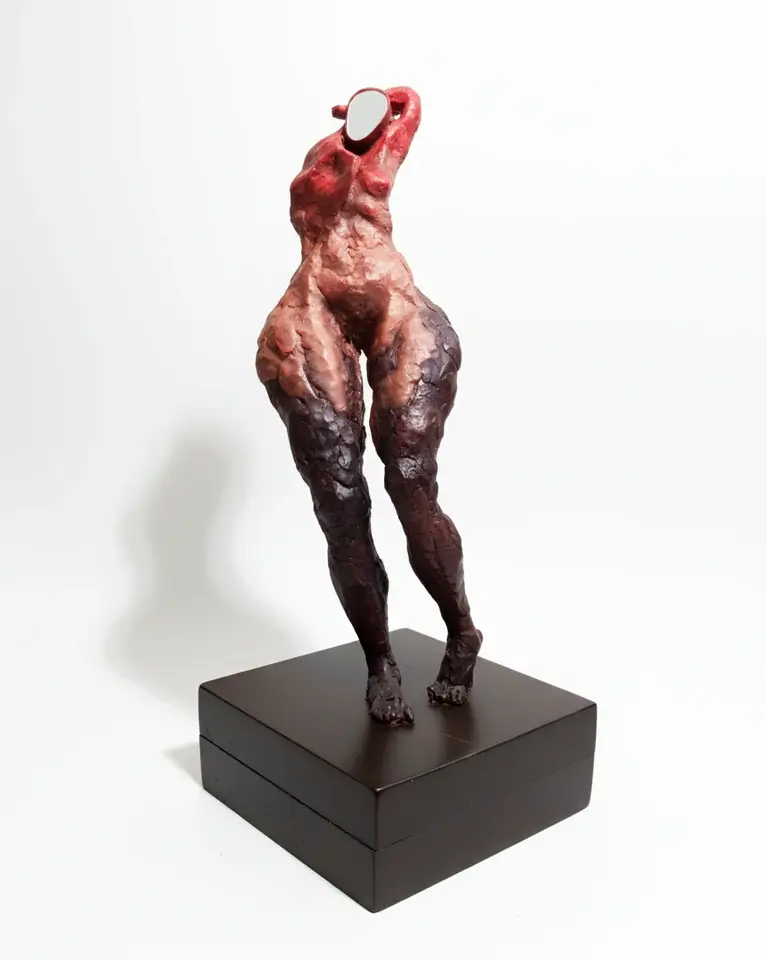
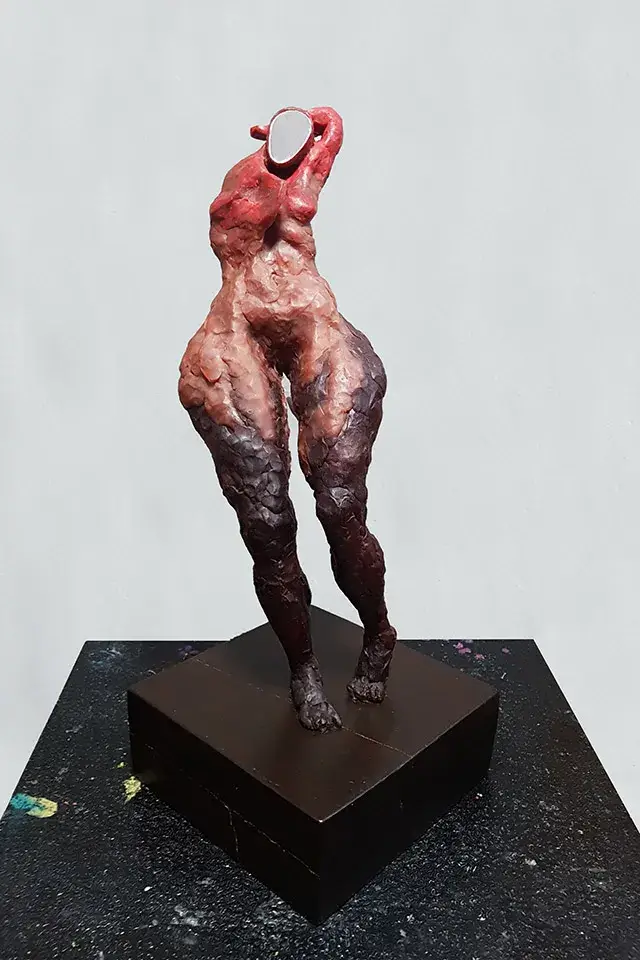
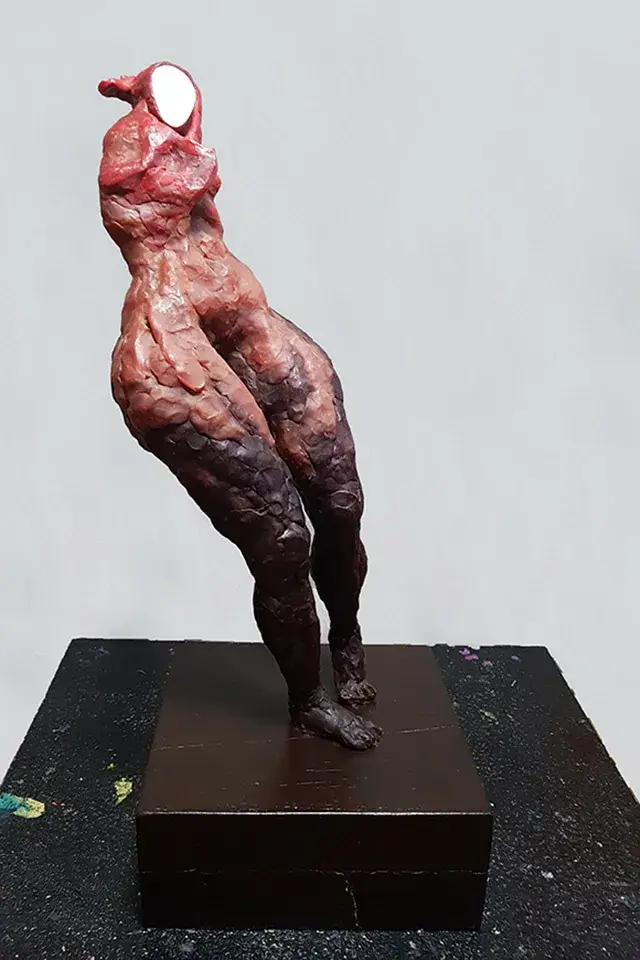
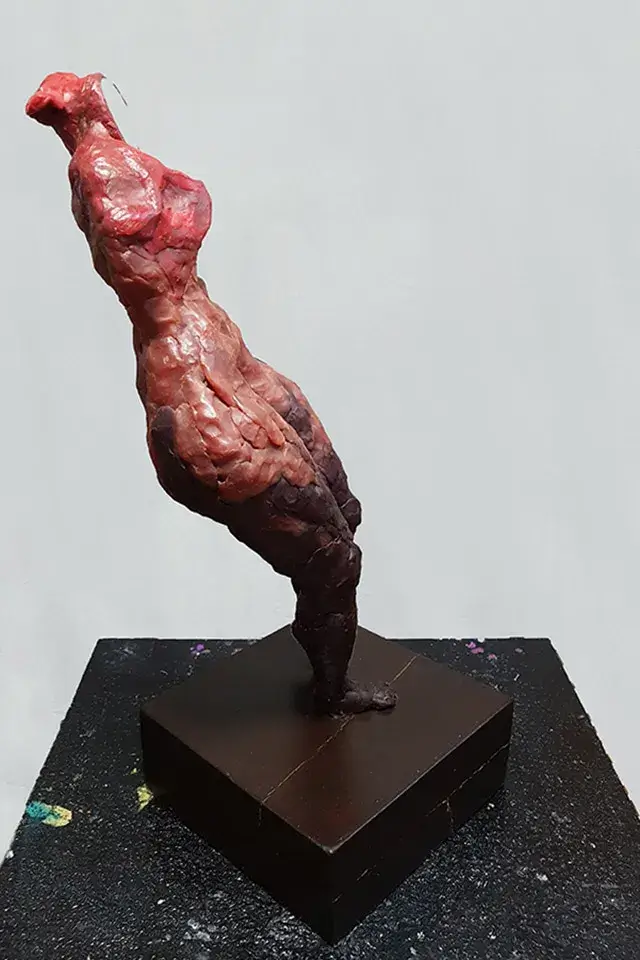
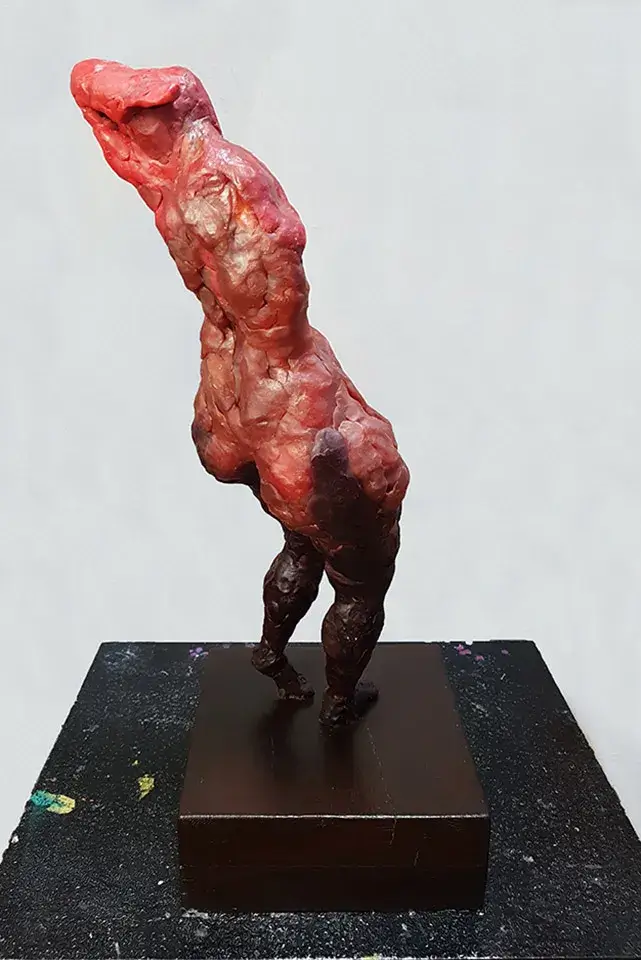
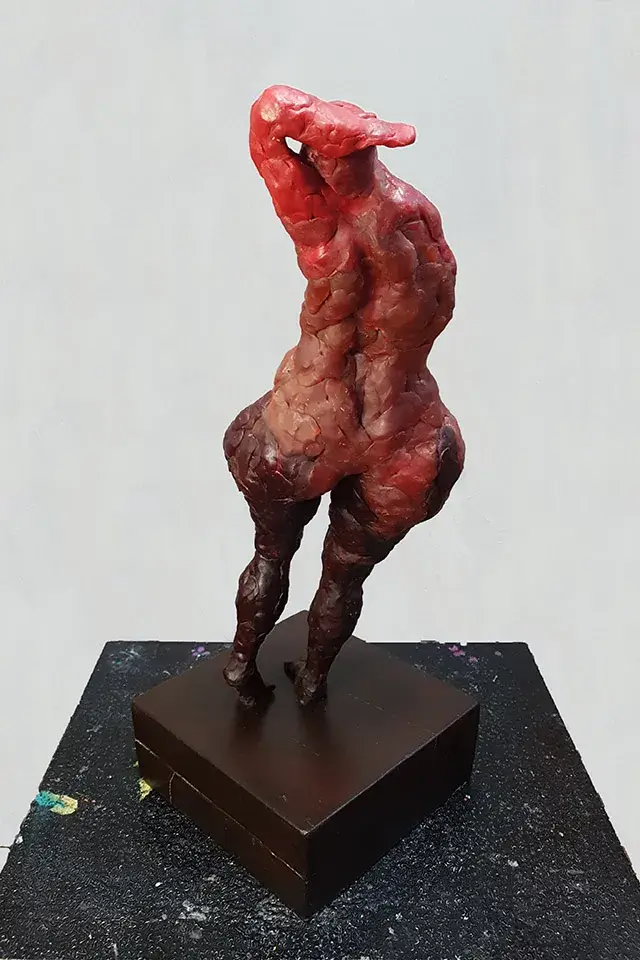
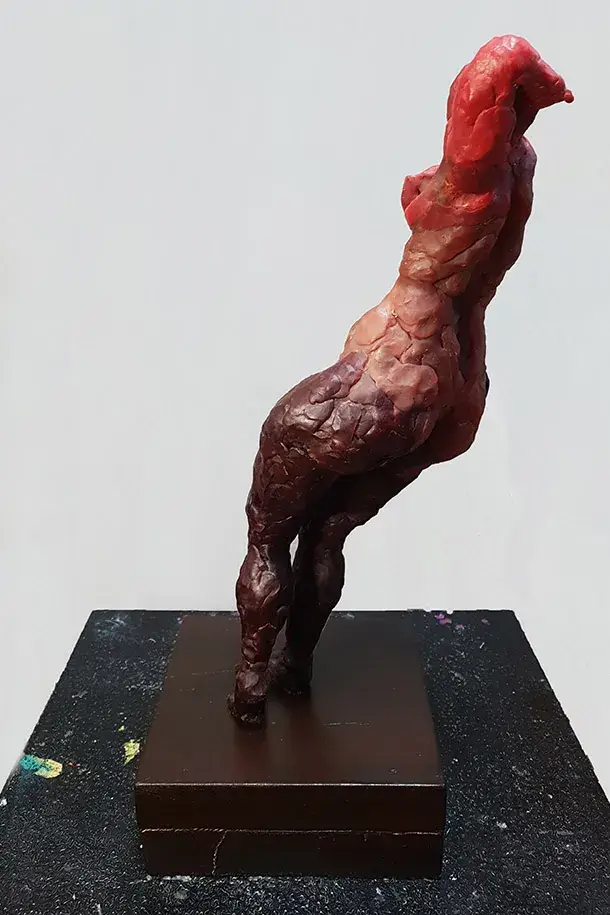
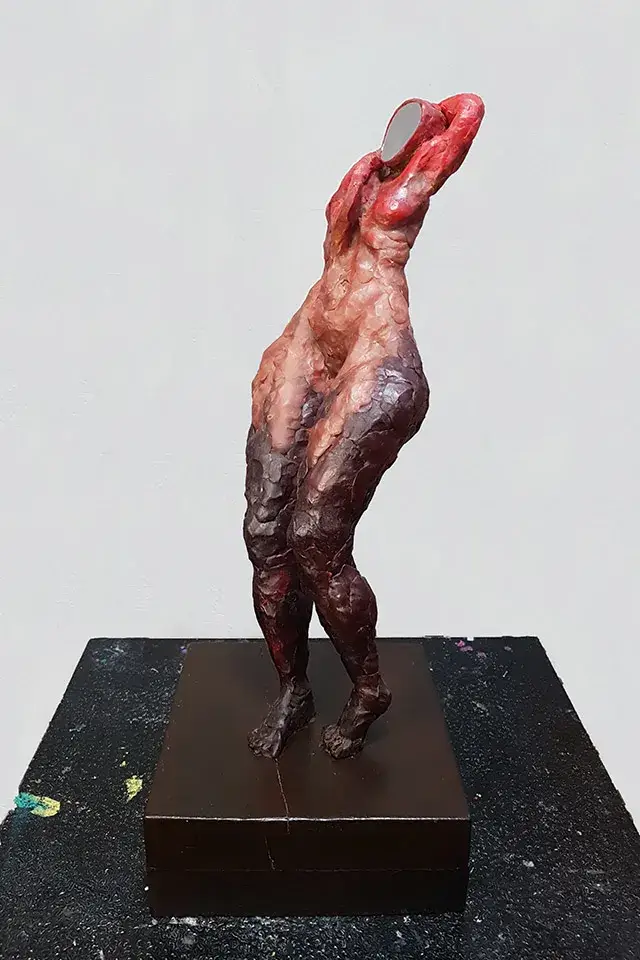
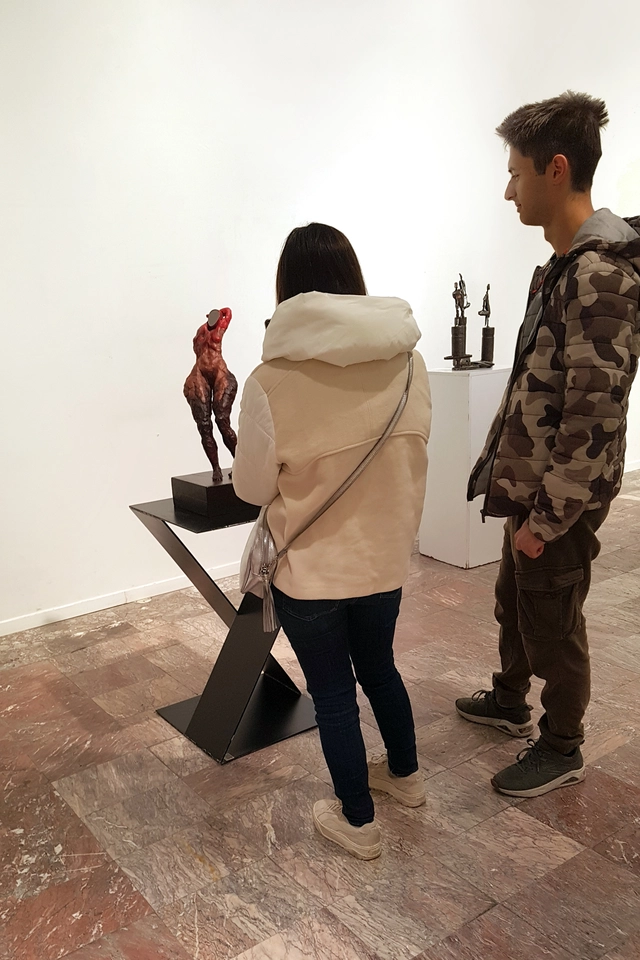
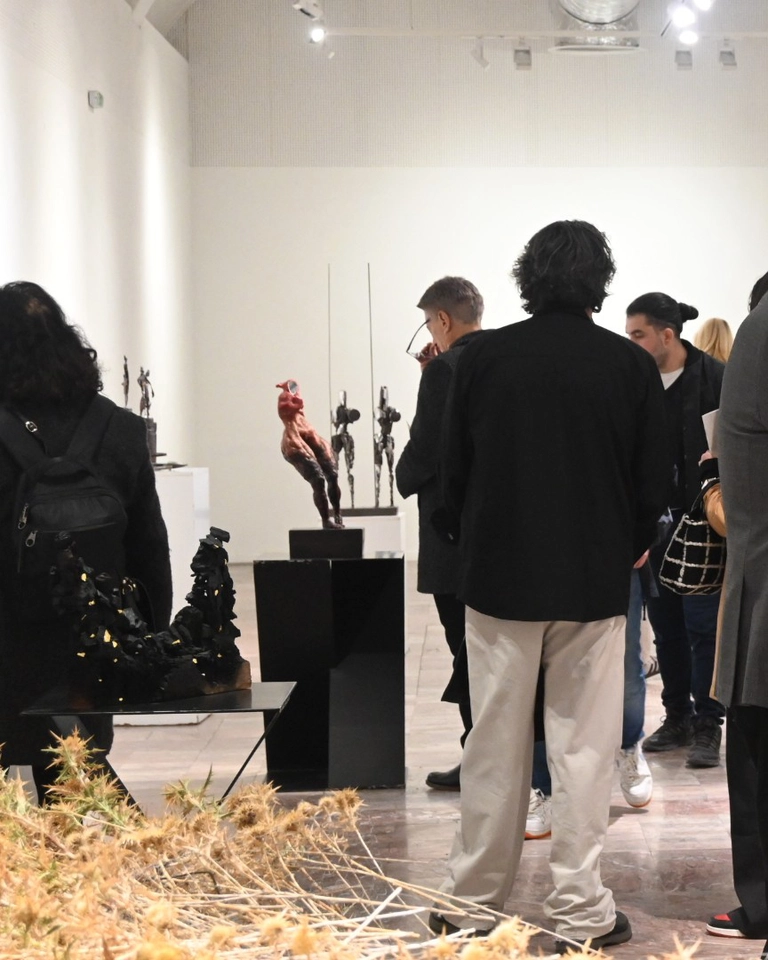
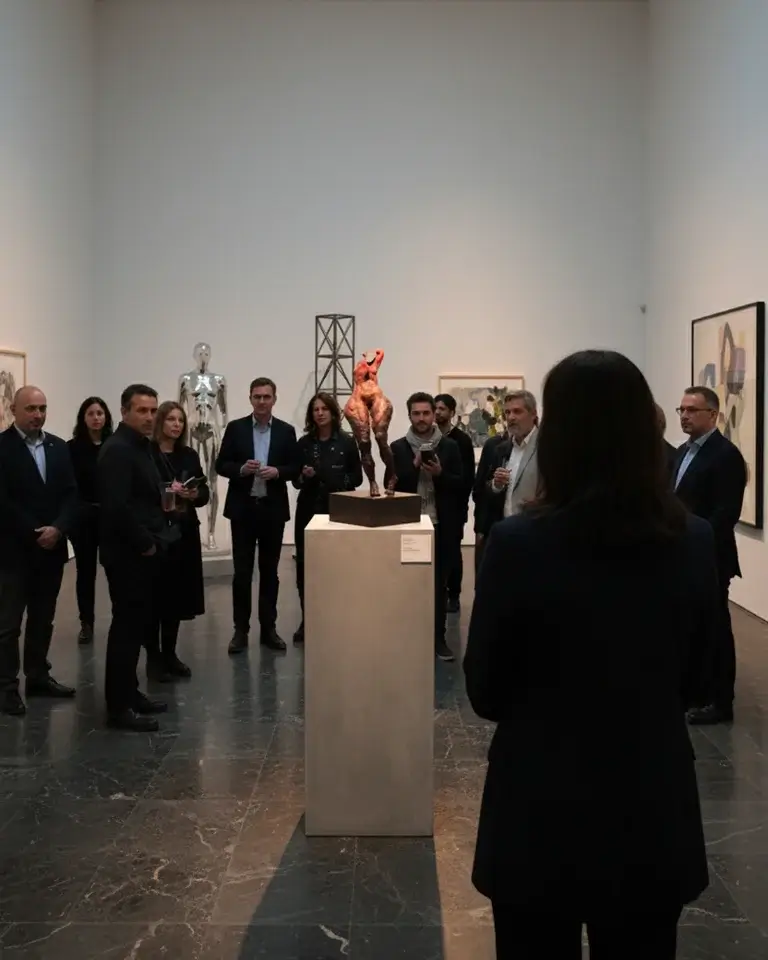
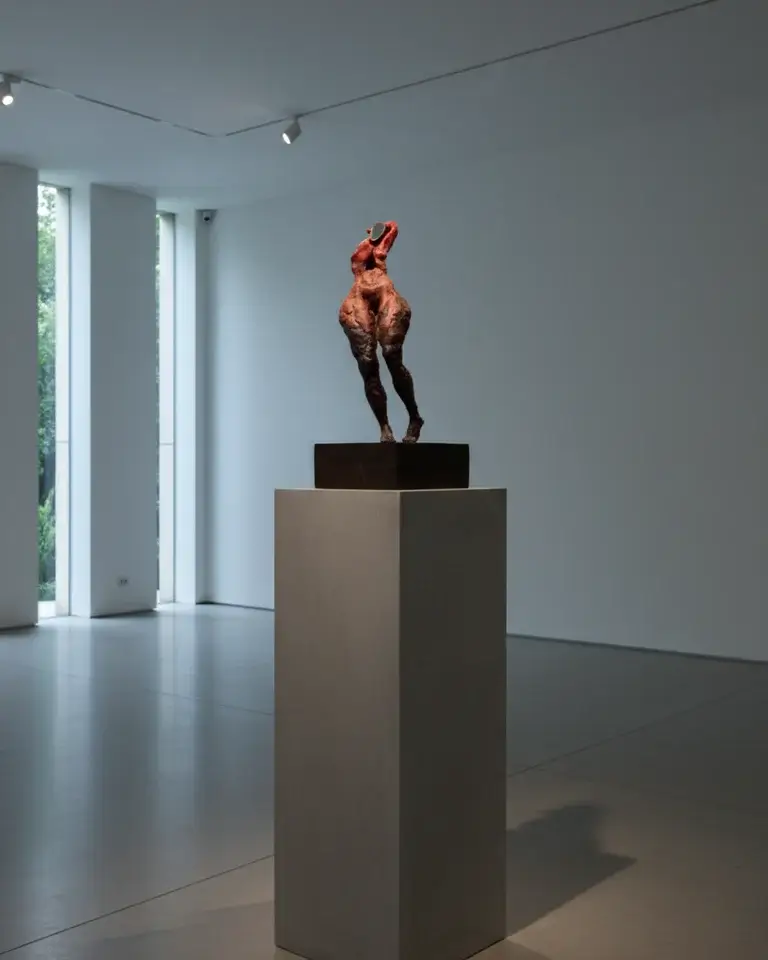
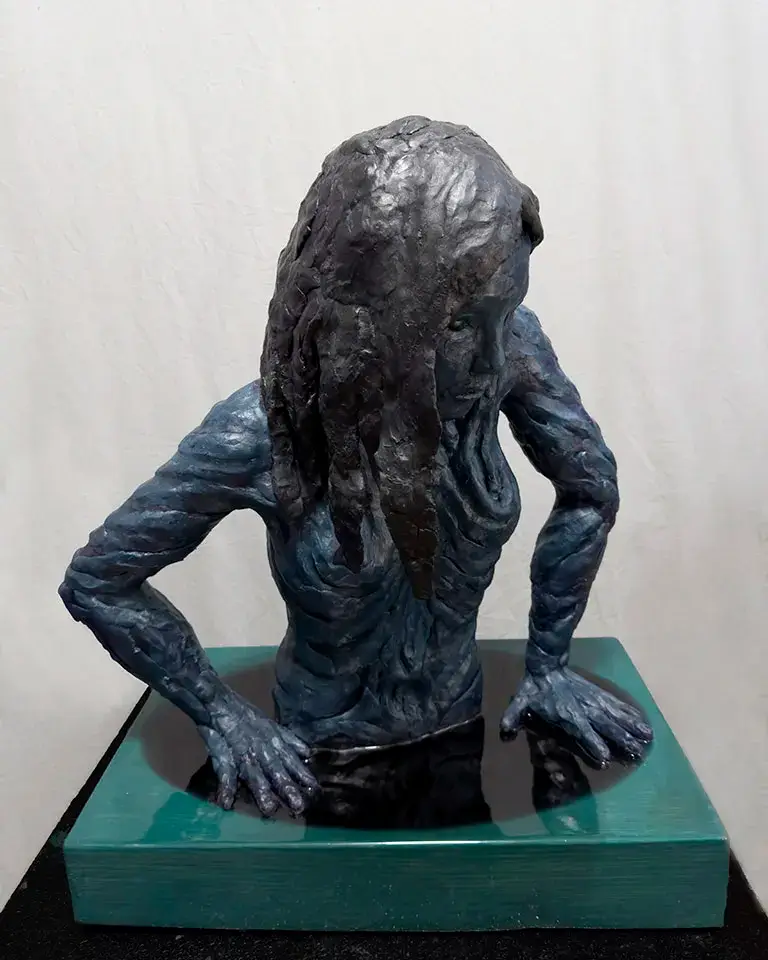
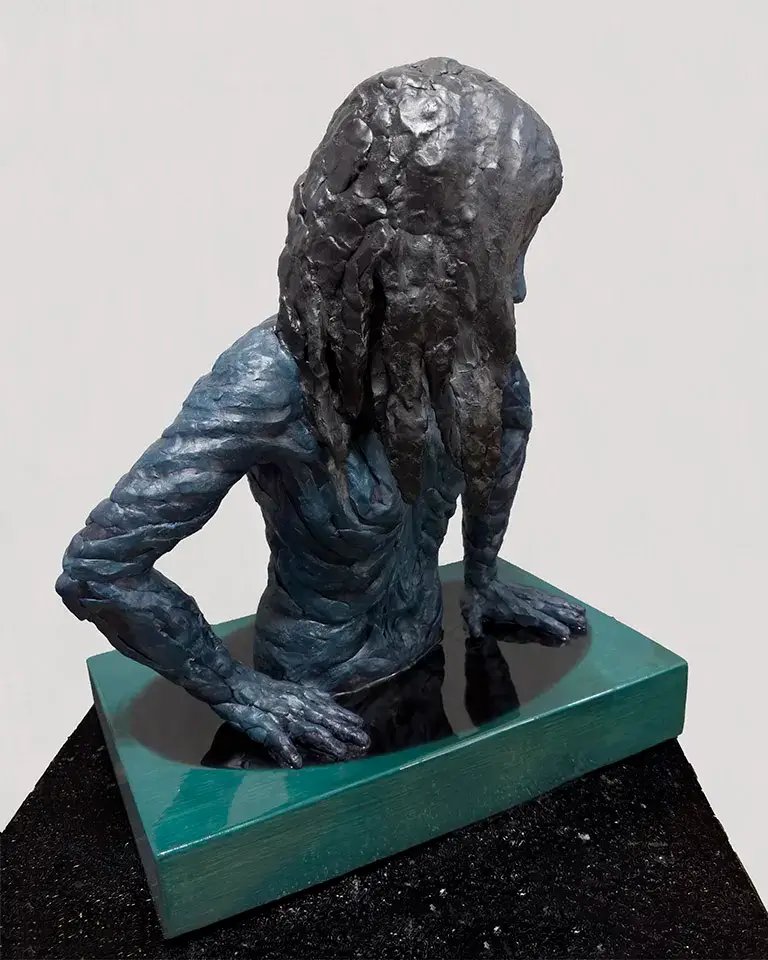
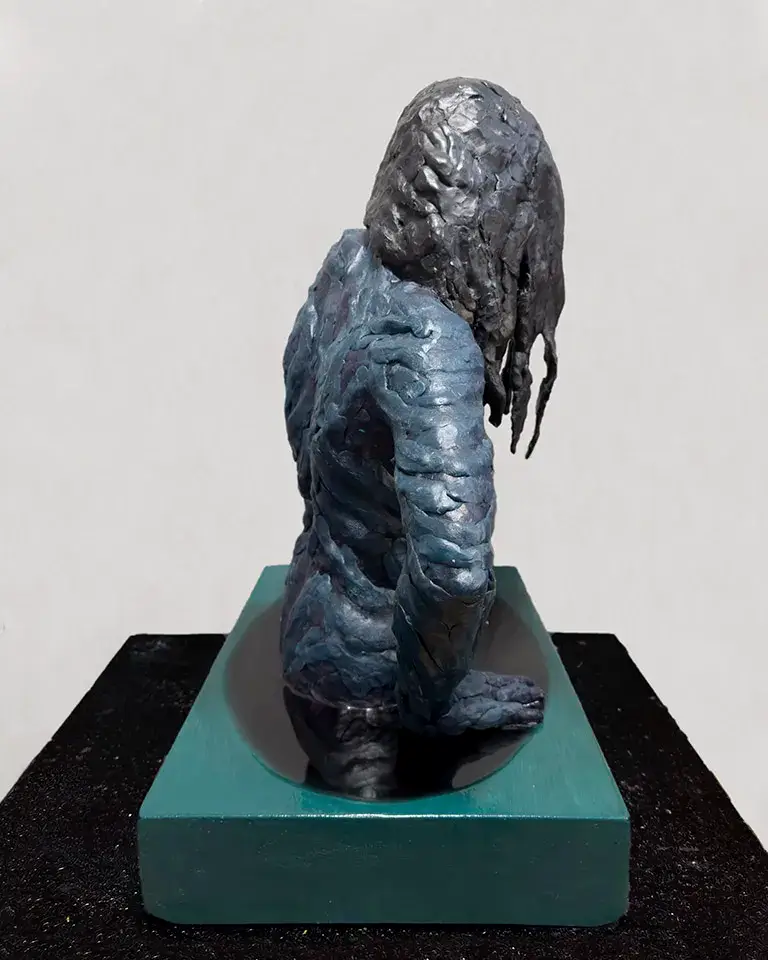
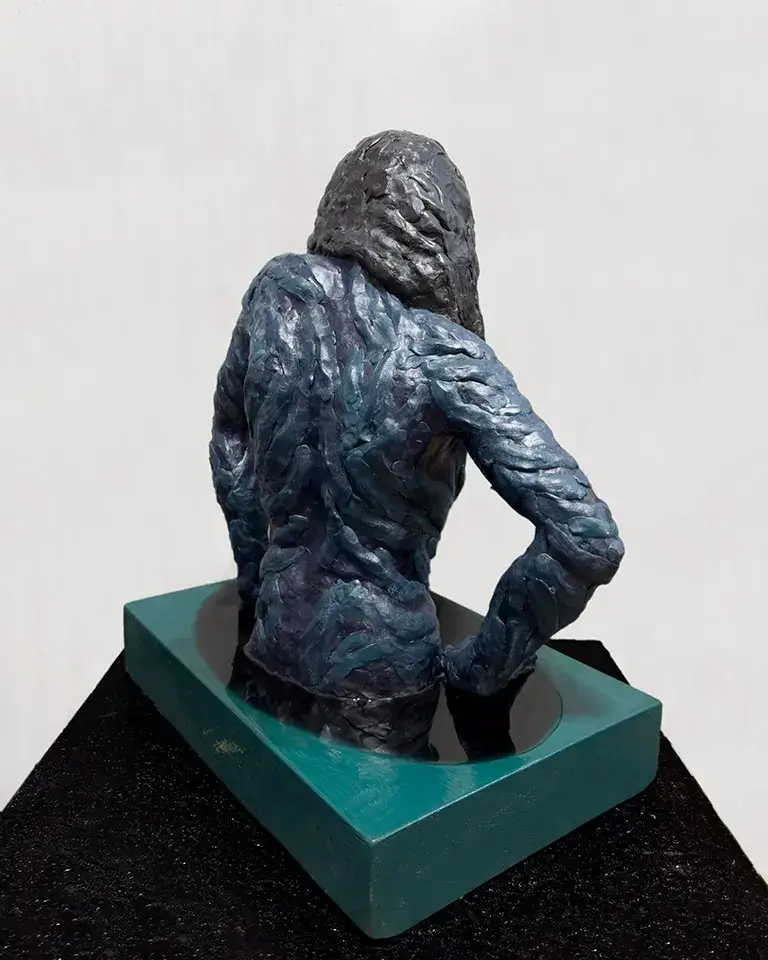
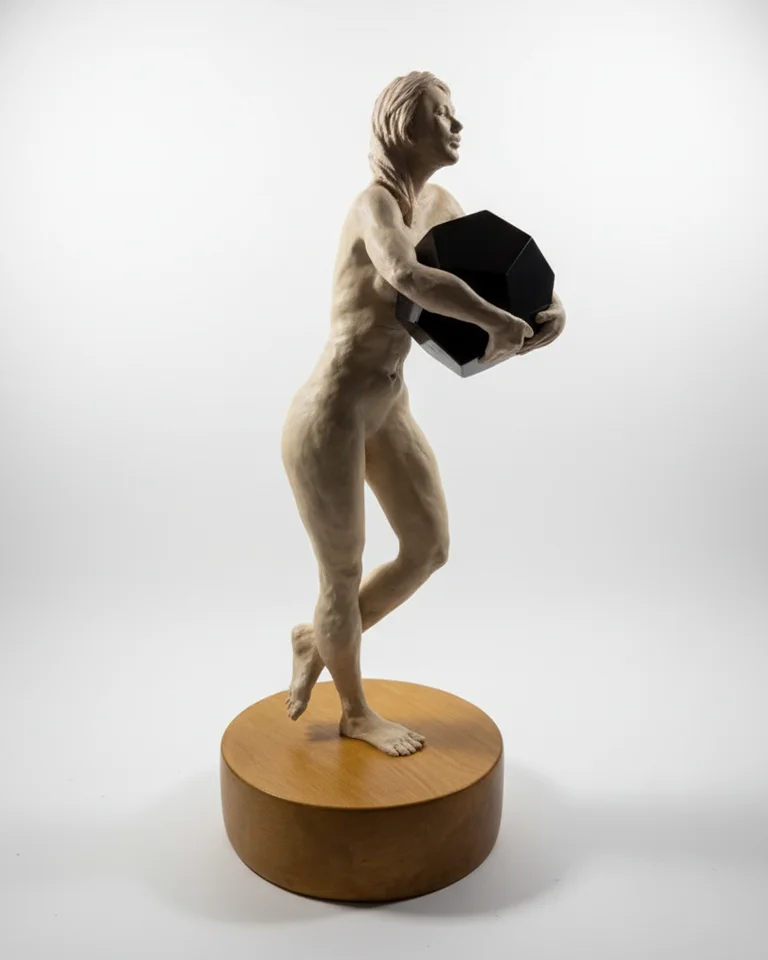
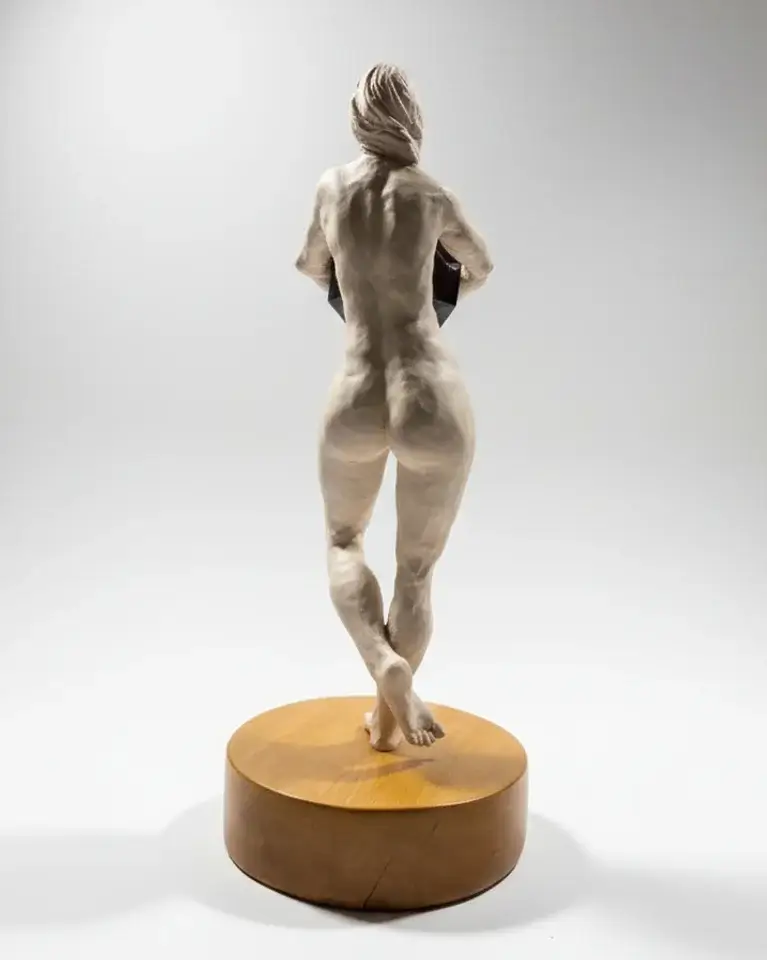
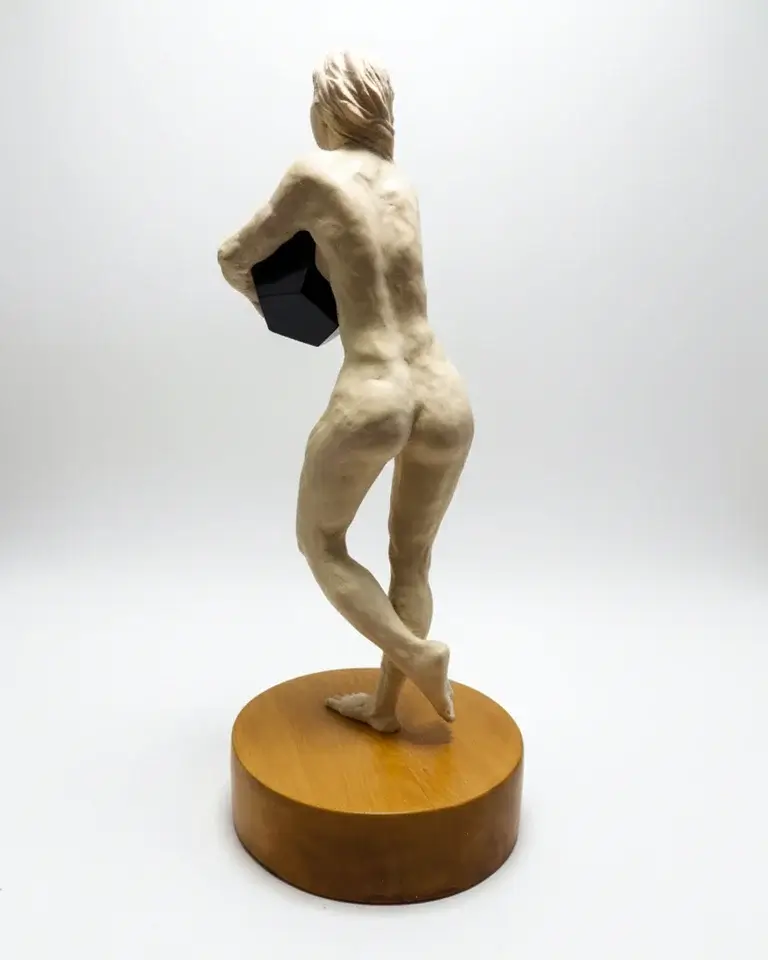
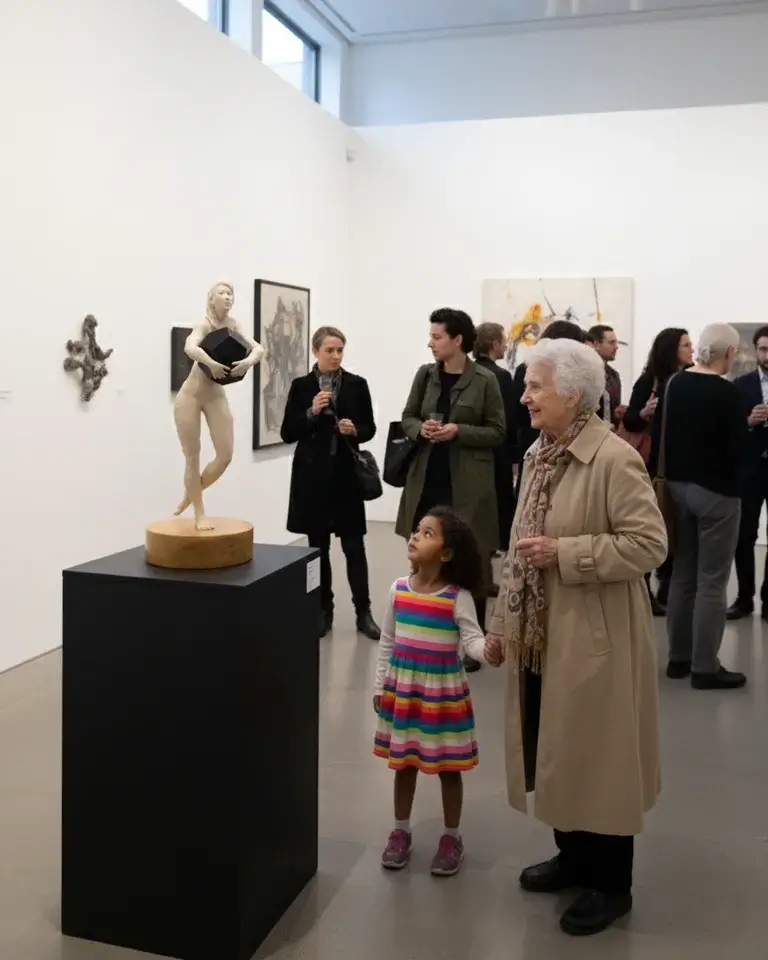
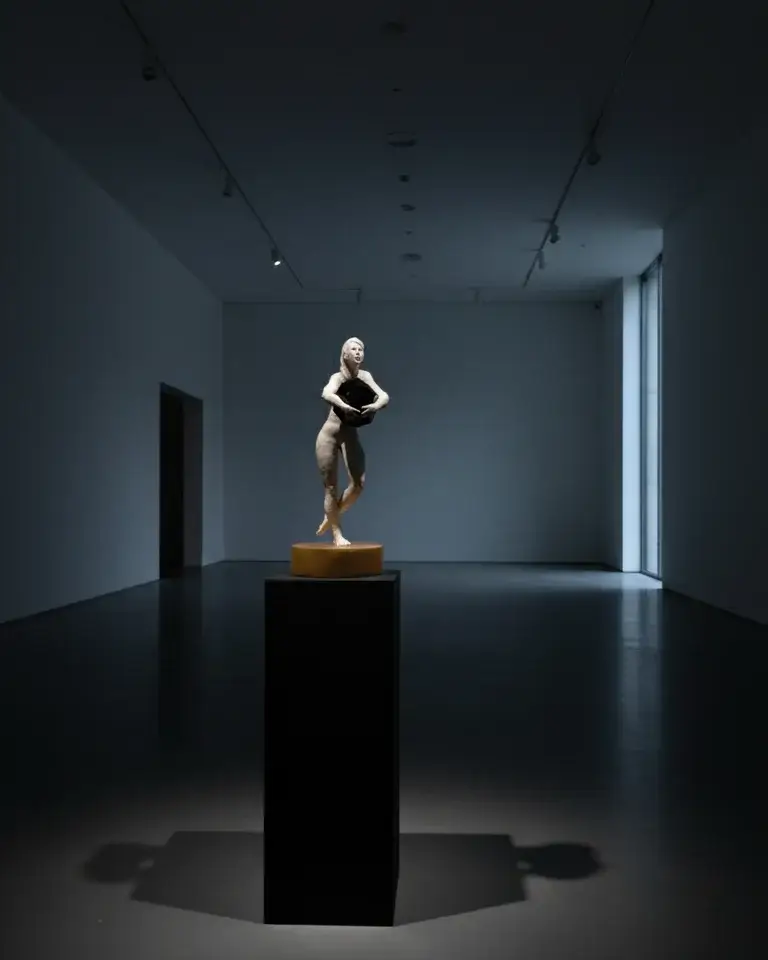
Reflection
25 x 25 x 63 cm
Reflection - 2Reflection - 3Reflection - 4Reflection - 5Reflection - 6Reflection - 7Reflection - 8Reflection - 9Reflection - 10Reflection - 11Reflection - 12
Reflection
Reflection emphasizes physical form and identity, exploring the interplay of inner and outer perceptions through a transformative feminine figure.
1810.00 $

This piece is in your cart, but it's not yours yet.

SECURE THIS PIECE →
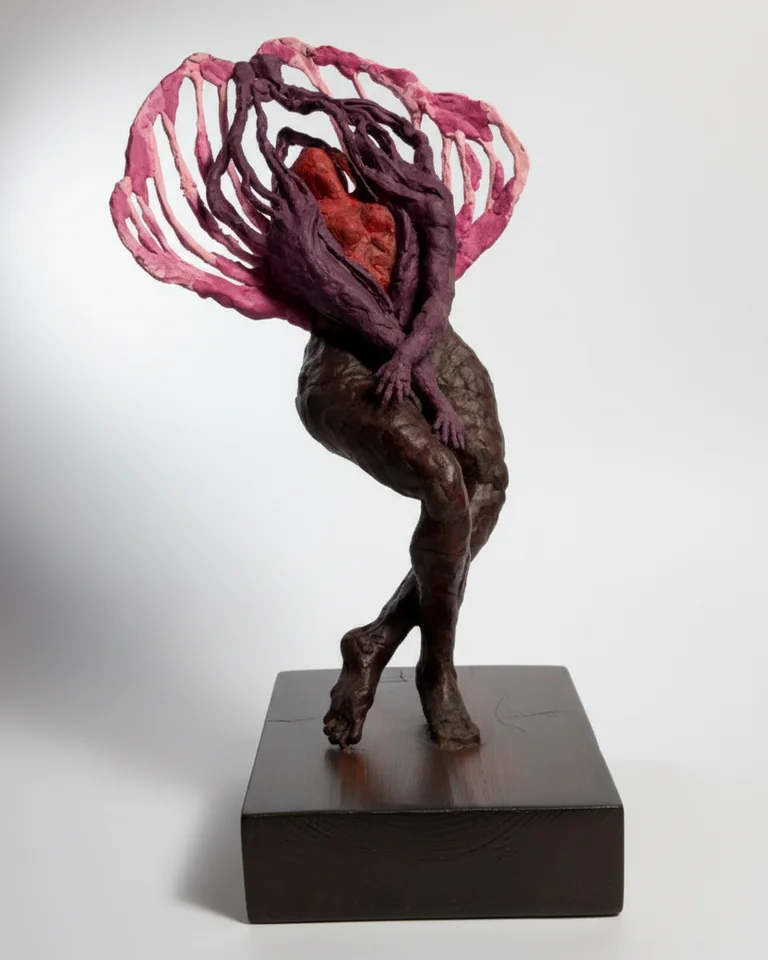
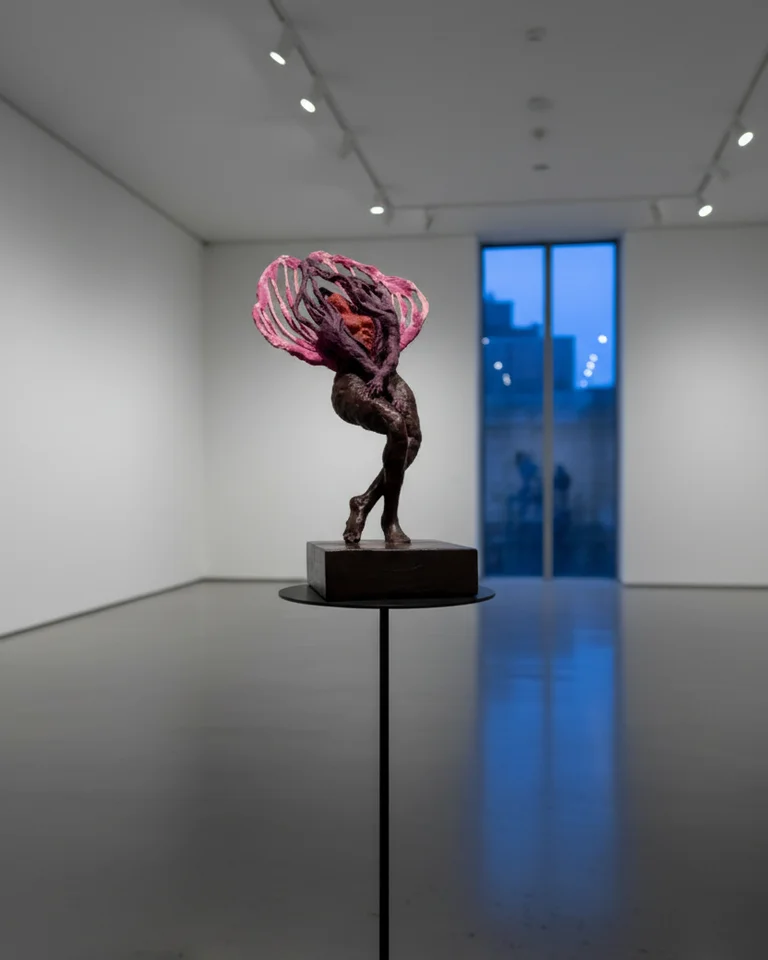
Awakening
34 x 28 x 61 cm
Awakening - 2Awakening - 3
Awakening
Awakening presents a feminine figure emerging from a shell-like ribcage, symbolizing self-revelation, strength, and the liberation of the spirit.
1560.00 $

This piece is in your cart, but it's not yours yet.

SECURE THIS PIECE →
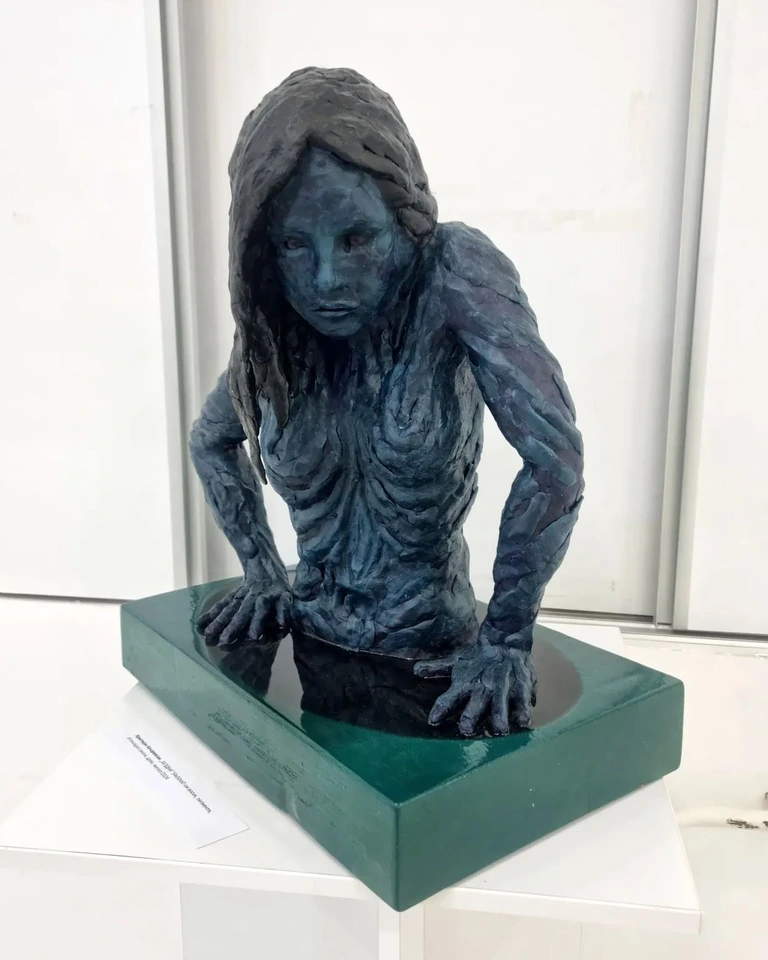
Abyss
50 x 30 x 54 cm
Abyss - 2Abyss - 3Abyss - 4Abyss - 5Abyss - 6Abyss - 7Abyss - 8
Abyss
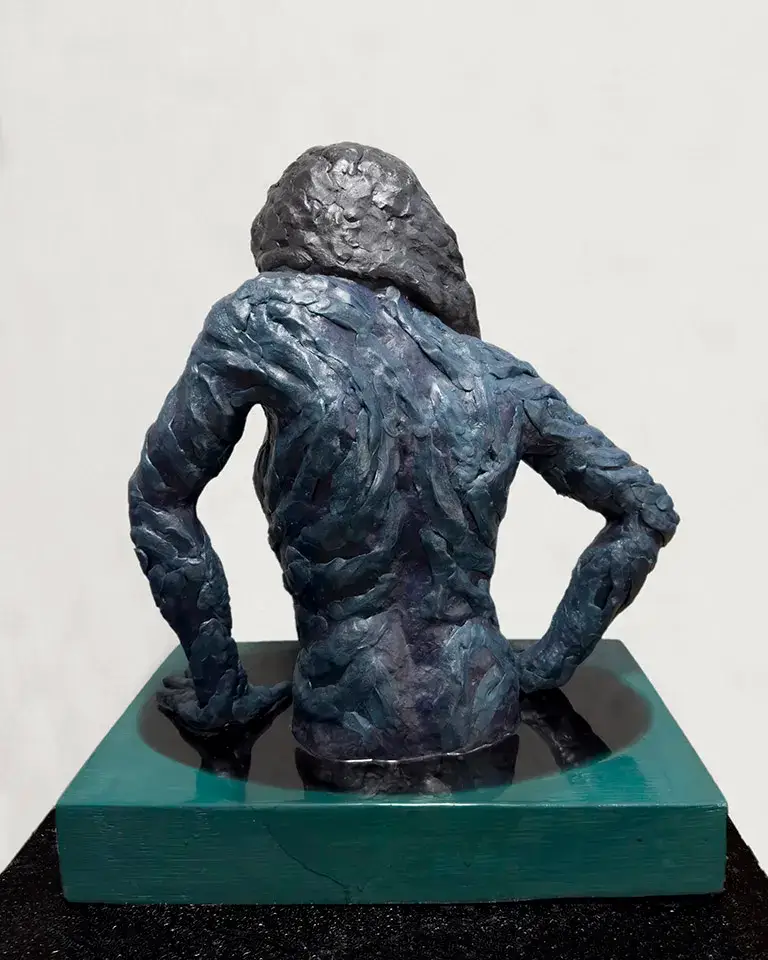
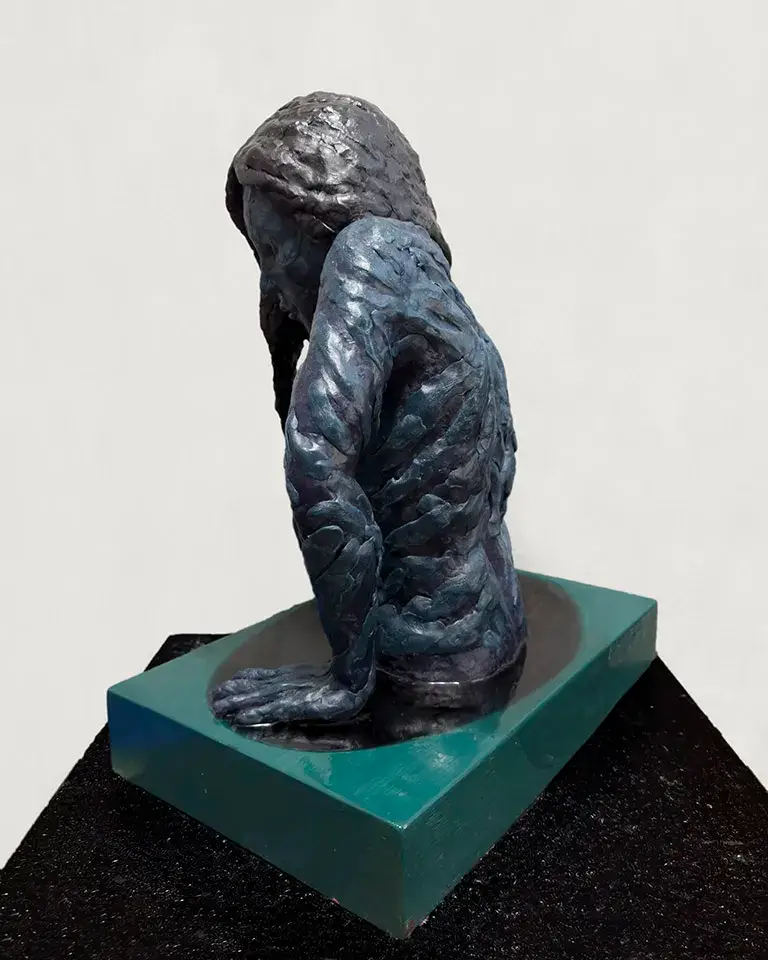
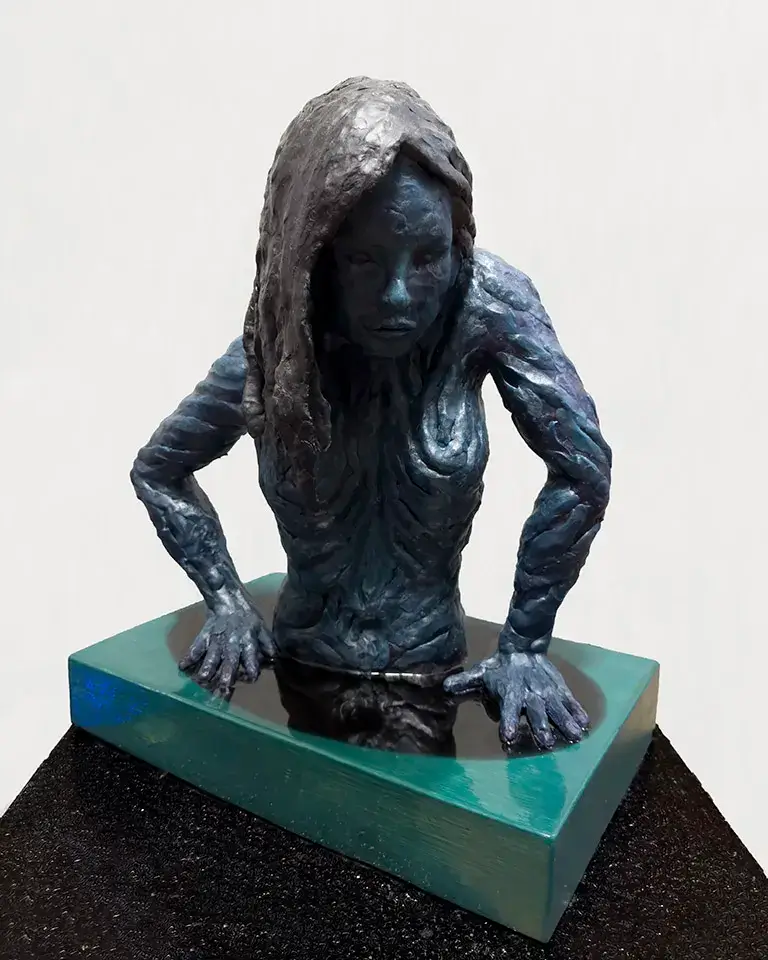
Abyss captures the weight of earthly burdens, illustrating how depression and struggle pull us into the depths while symbolized through green tones.
2815.00 $

This piece is in your cart, but it's not yours yet.

SECURE THIS PIECE →
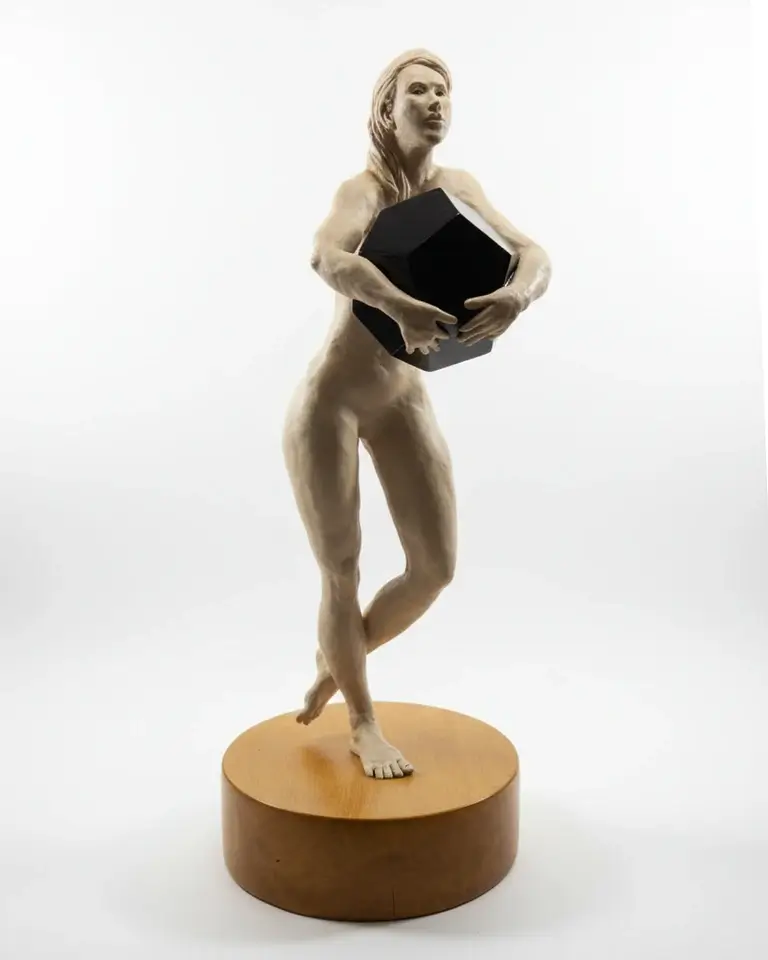
Control
23 x 23 x 56 cm
Control - 2Control - 3Control - 4Control - 5Control - 6Control - 7
Control
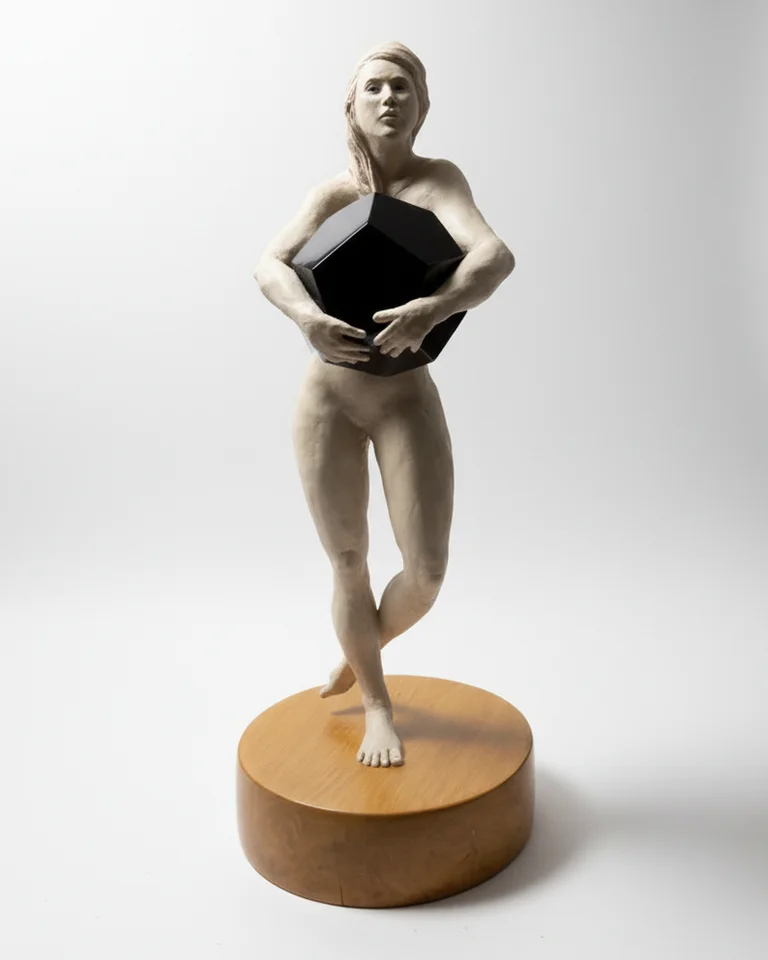
Control explores the weight we carry in life, showing that perspective and balance allow us to navigate challenges with resilience and mastery.
1810.00 $

This piece is in your cart, but it's not yours yet.

SECURE THIS PIECE →
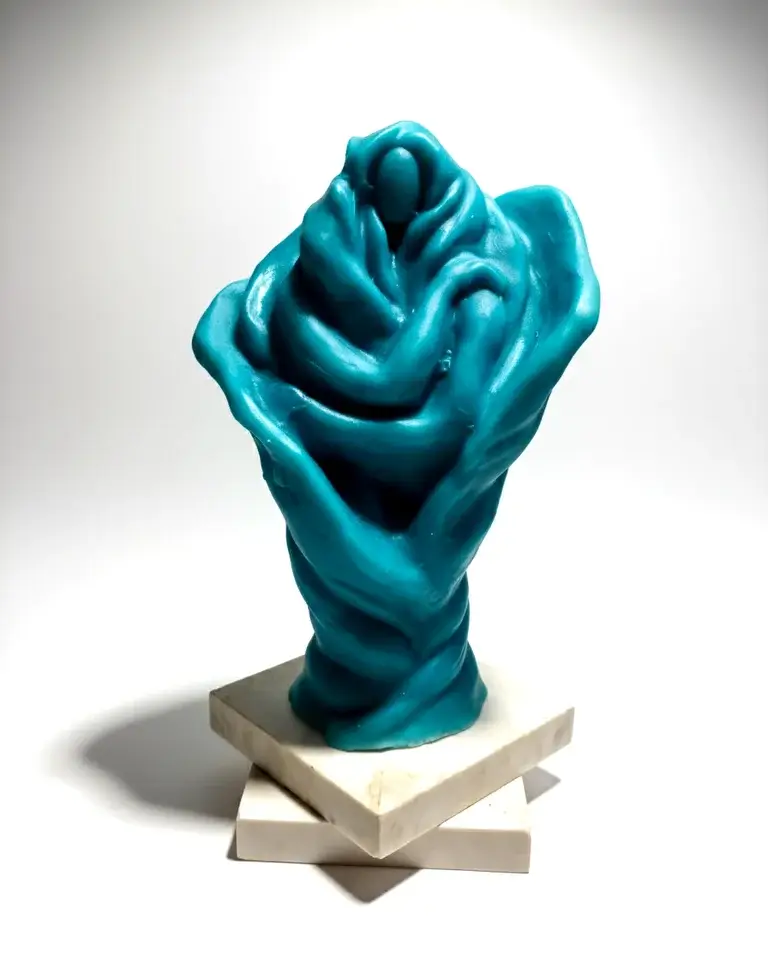
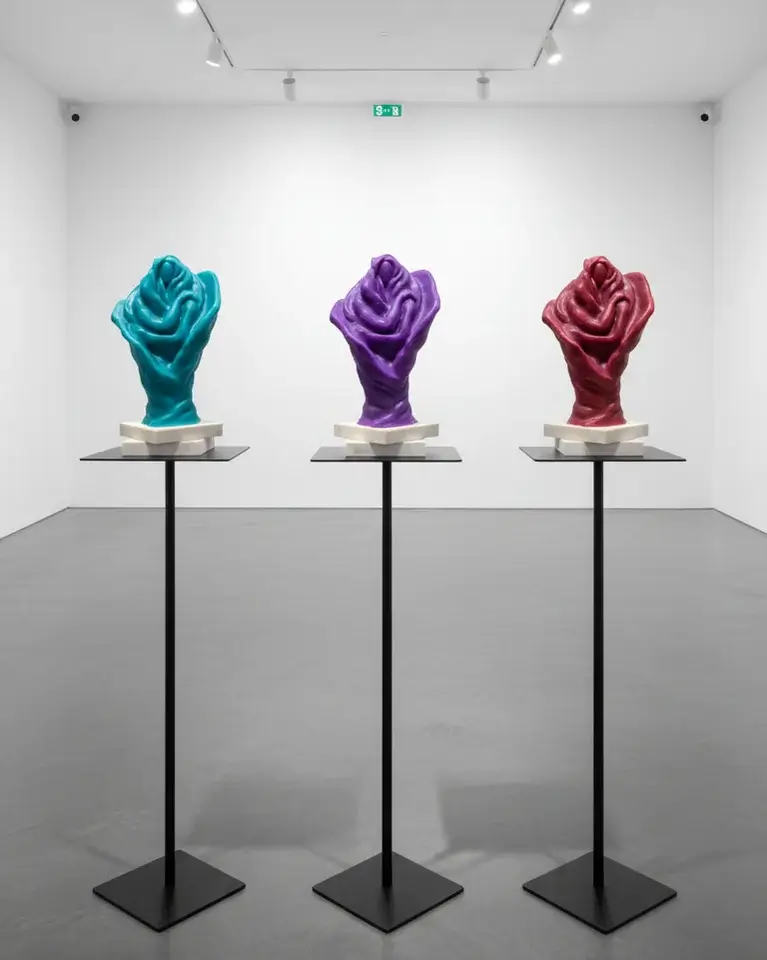
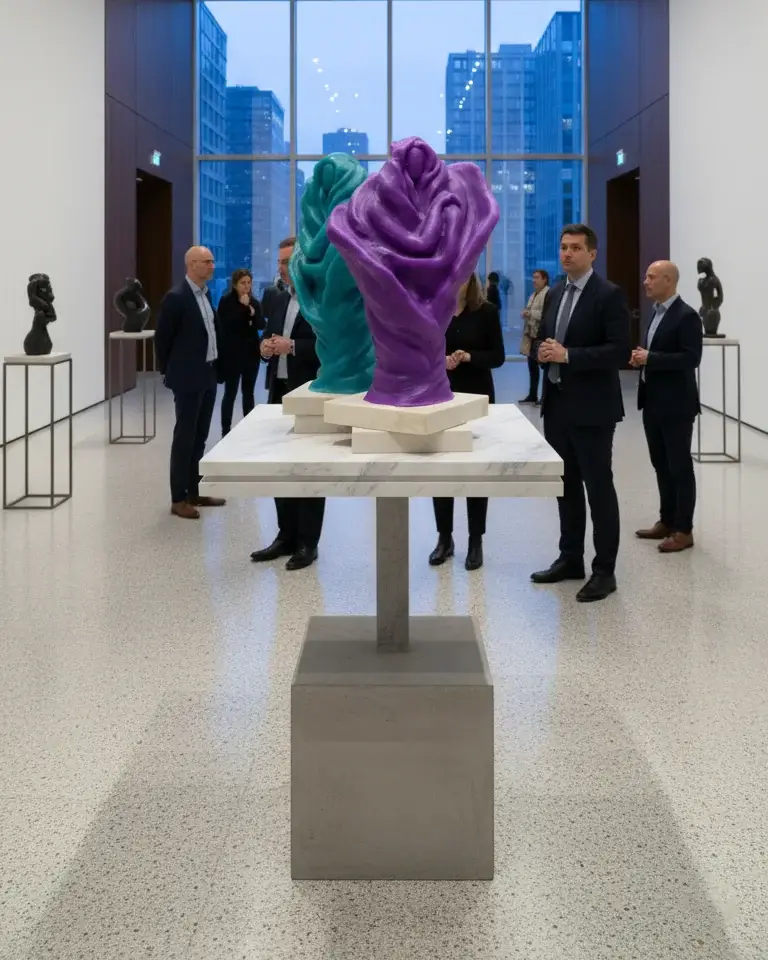
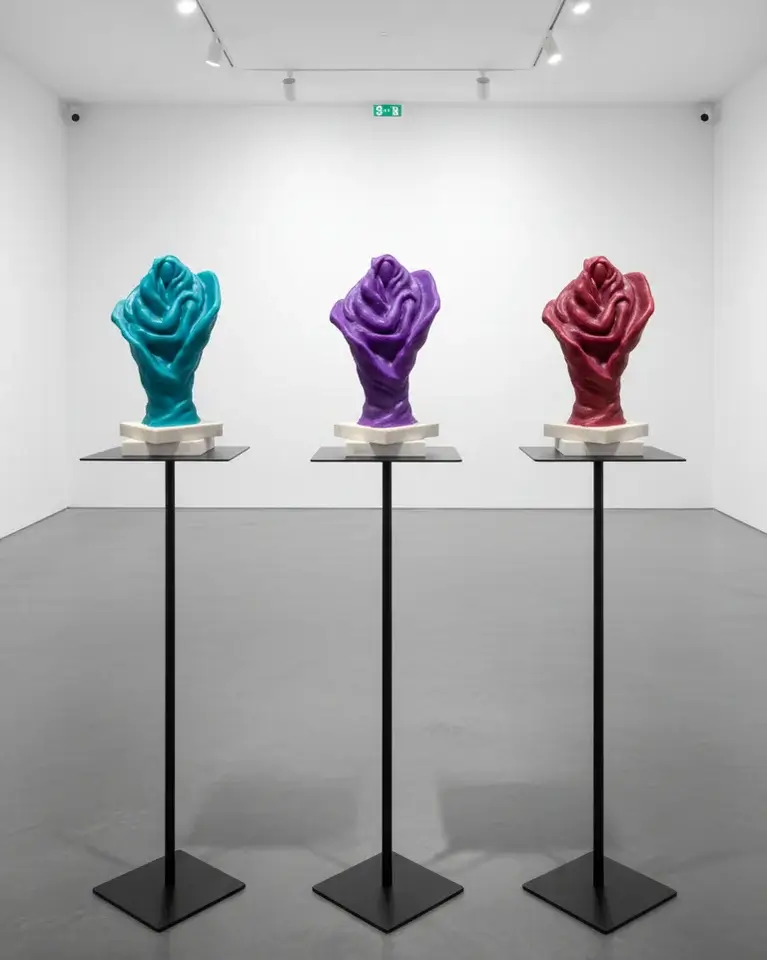
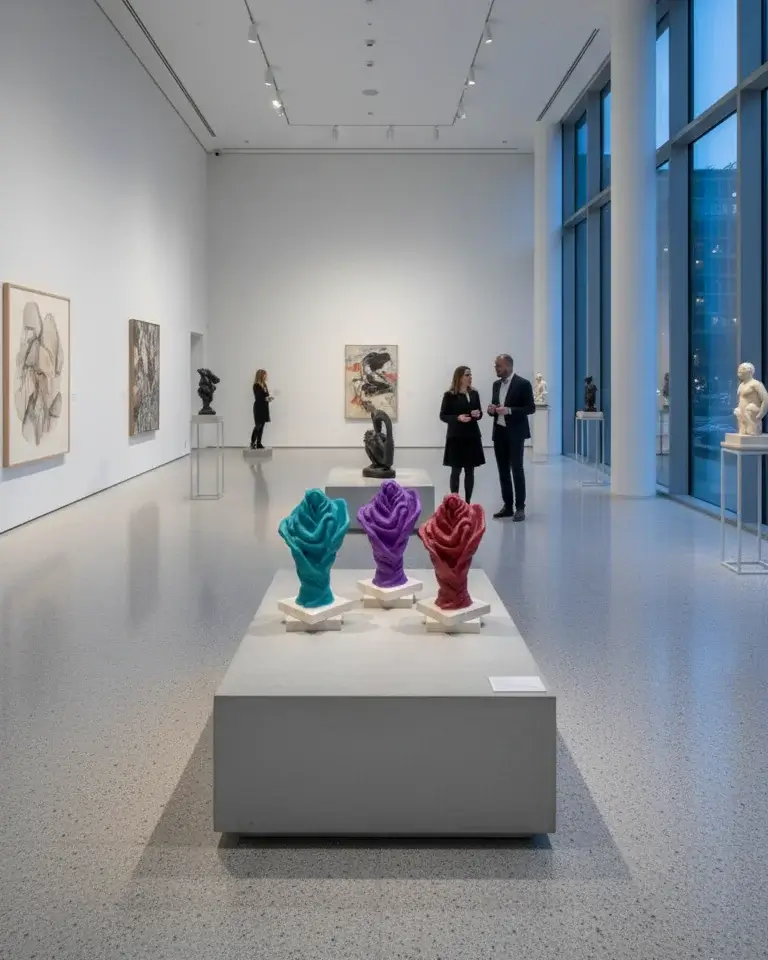
Coldness
27 x 27 x 47 cm
Coldness - 2Coldness - 3Coldness - 4
Coldness
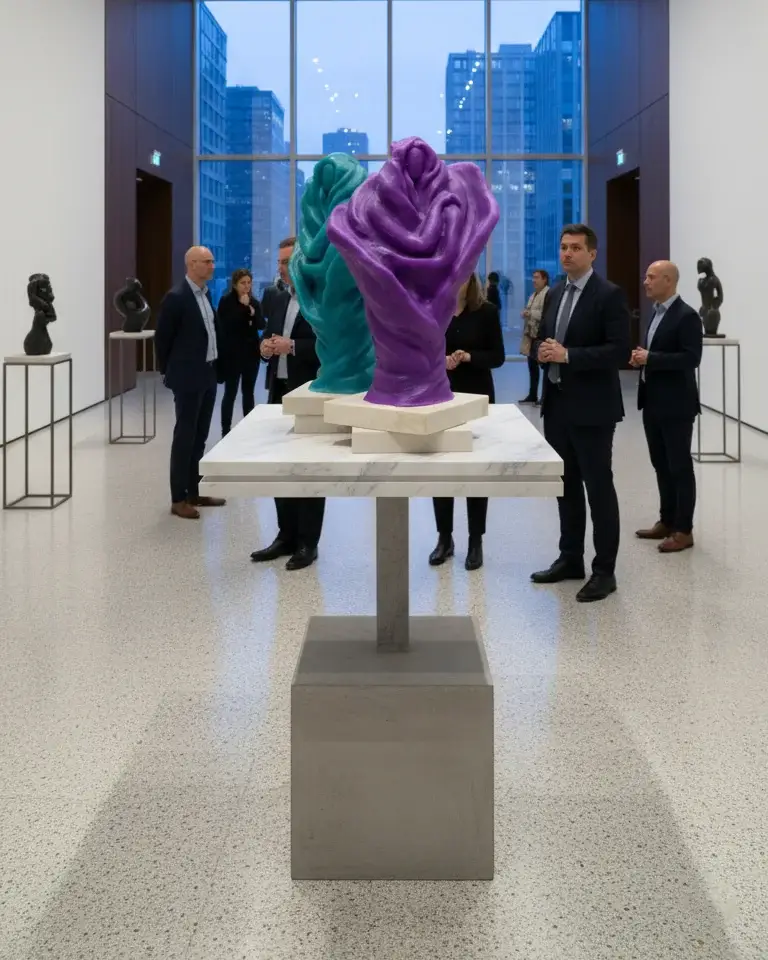
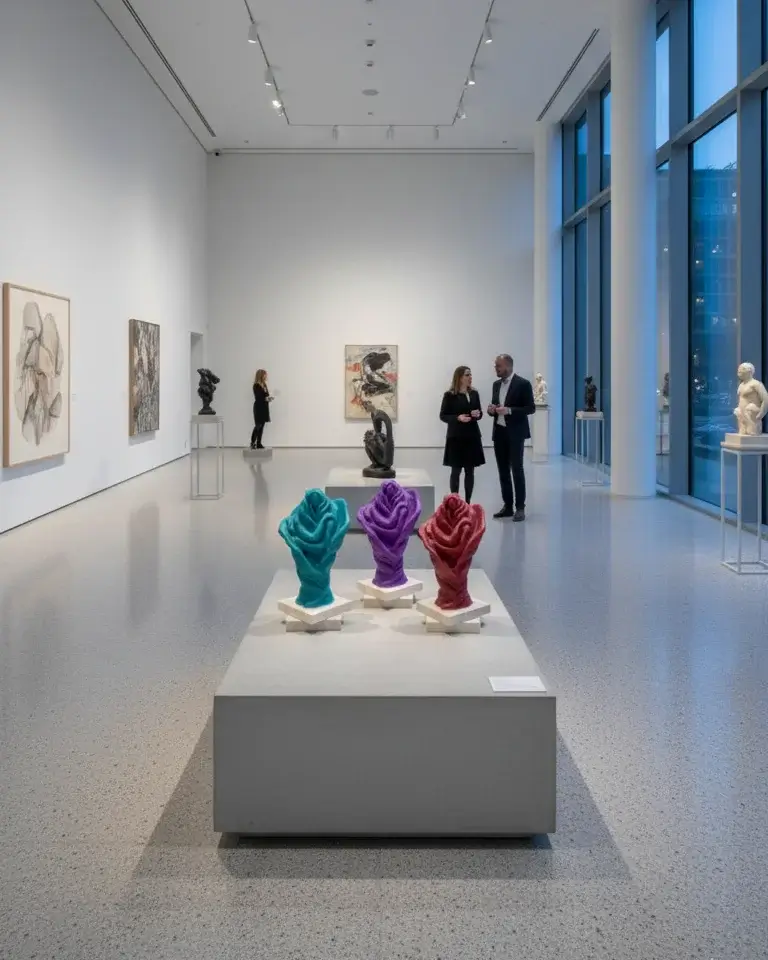
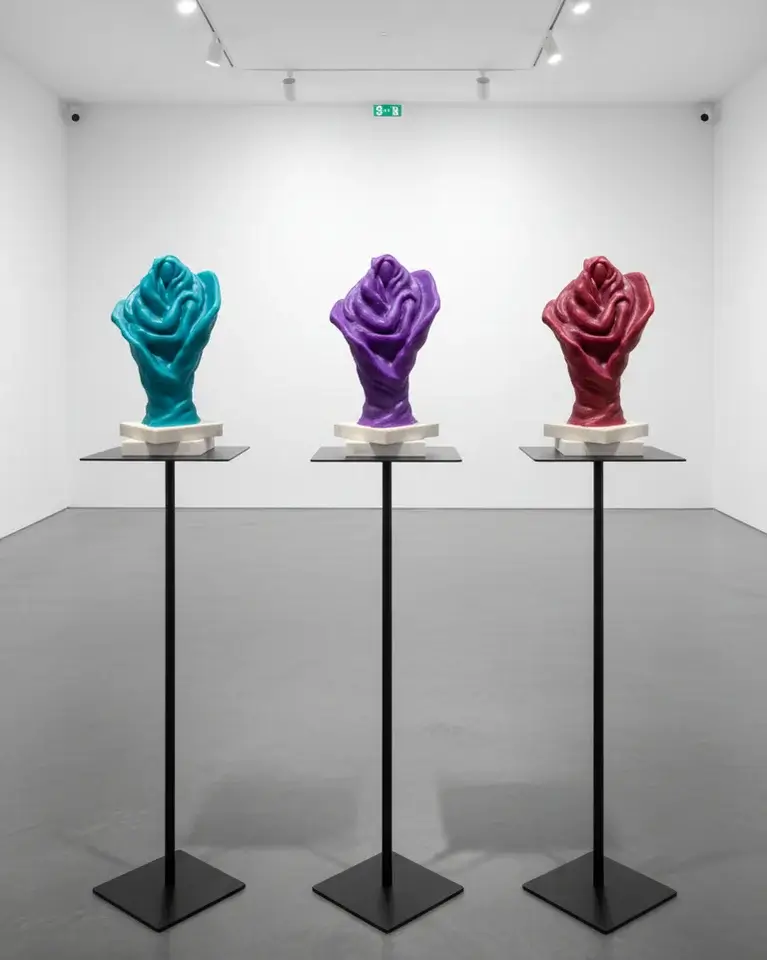
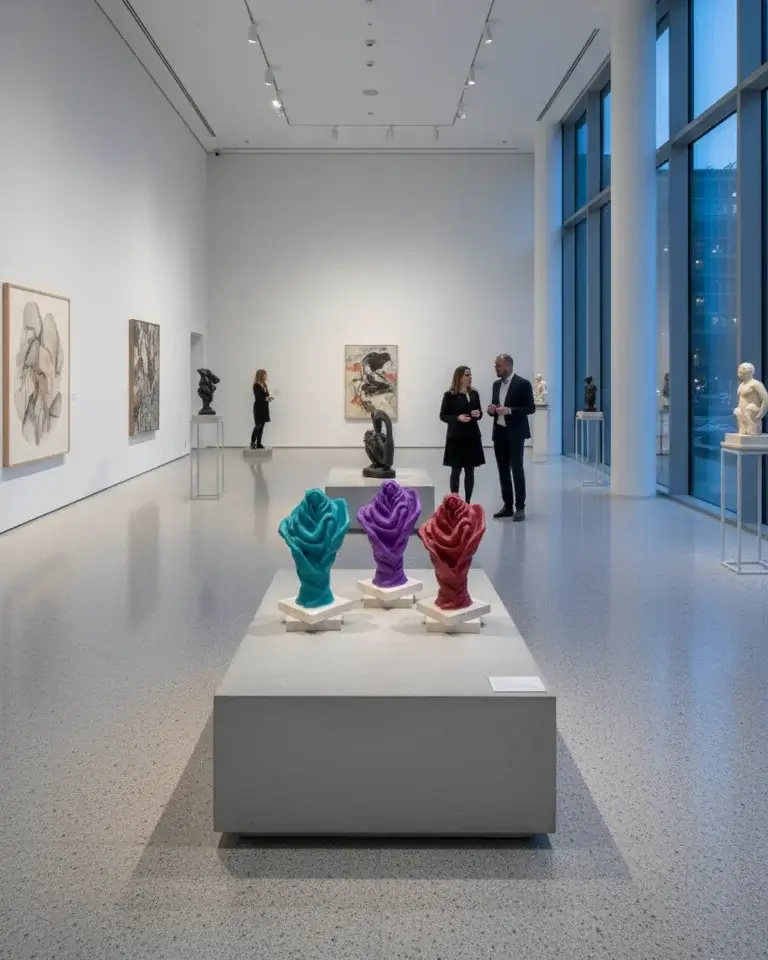
Coldness embodies turquoise’s duality—calm yet electric, distant yet magnetic—inviting viewers into its tranquil but restless expanse.
515.00 $

This piece is in your cart, but it's not yours yet.

SECURE THIS PIECE →
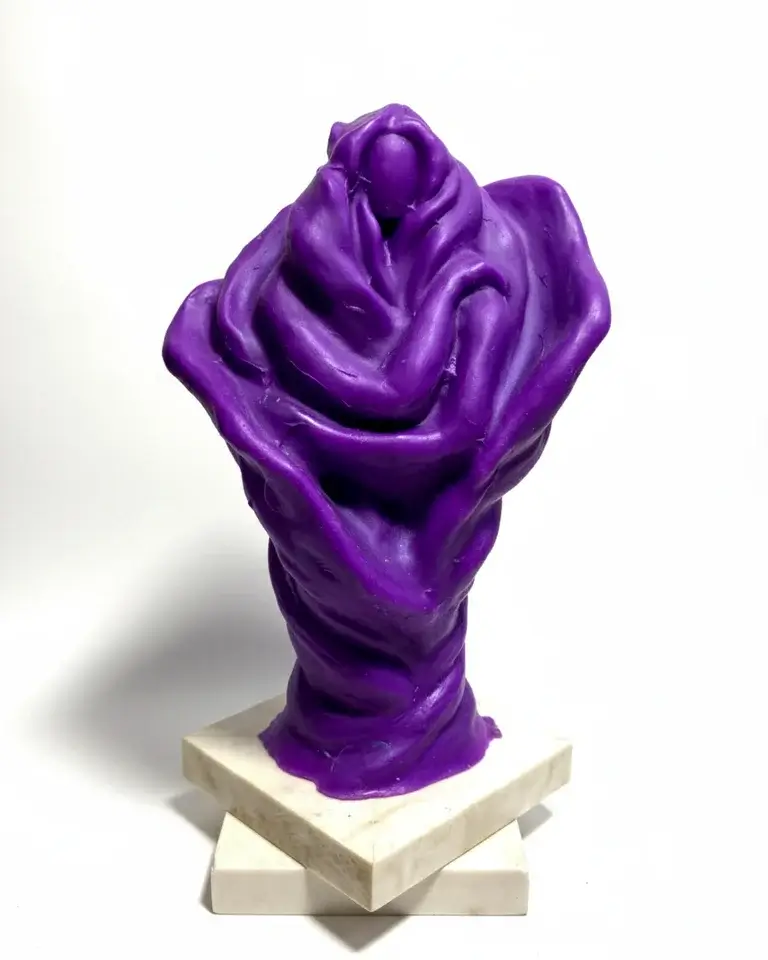
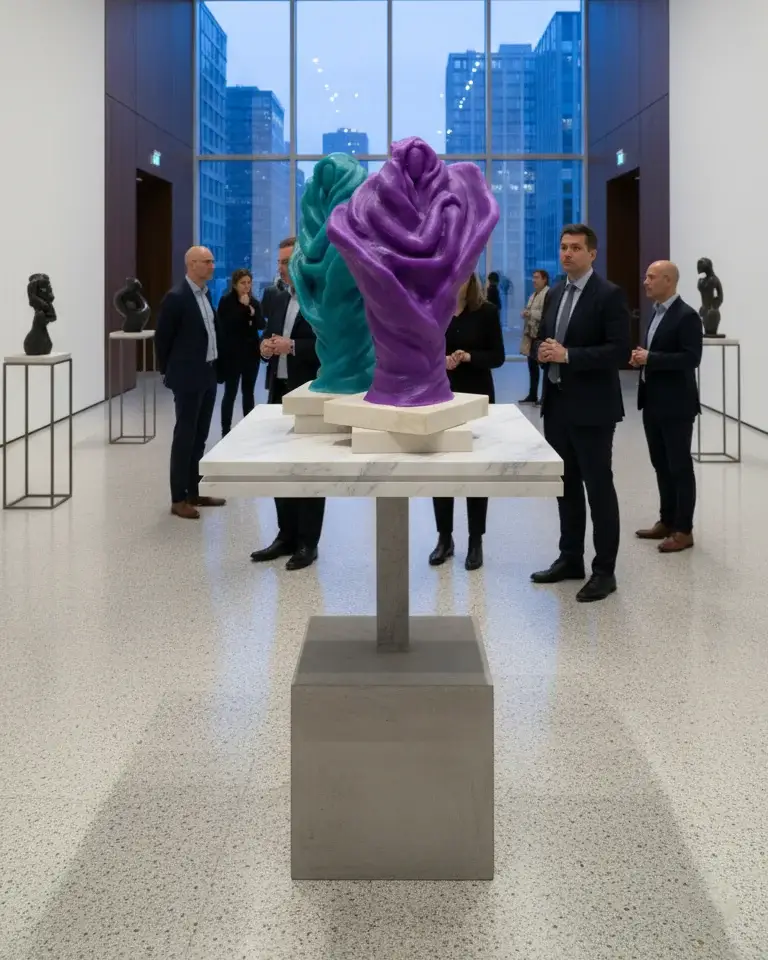
Wave
27 x 27 x 47 cm
Wave - 2Wave - 3Wave - 4
Wave
Deep violet flows like unseen currents of the mind, inviting introspection and inner exploration.
515.00 $

This piece is in your cart, but it's not yours yet.

SECURE THIS PIECE →
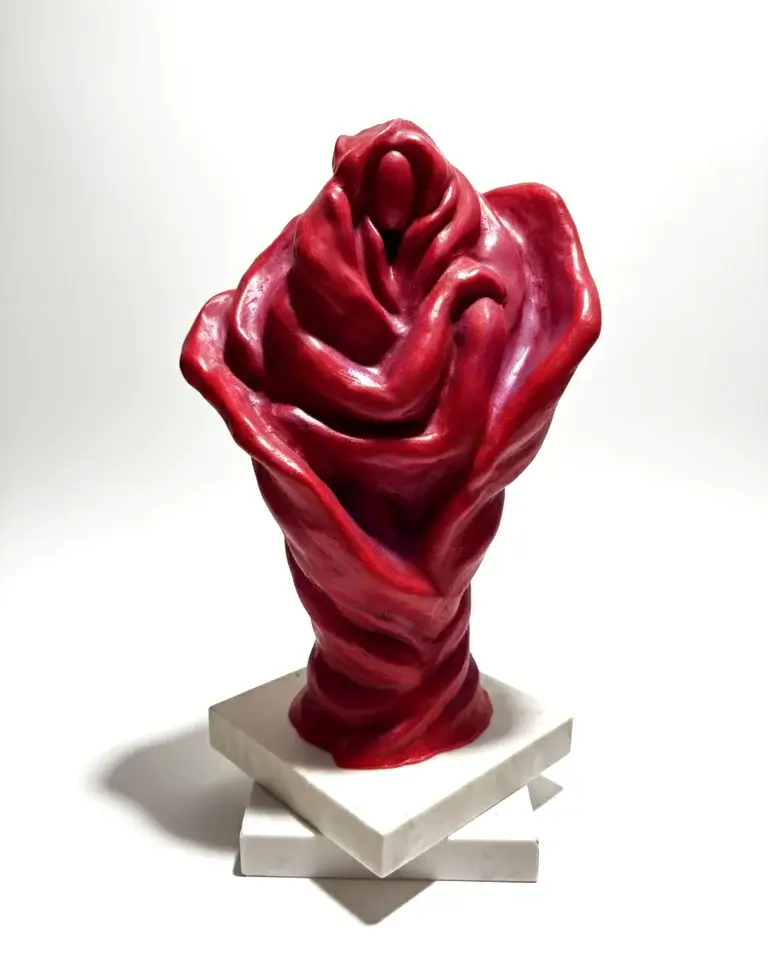
Poison
27 x 27 x 47 cm
Poison - 2Poison - 3Poison - 4
Poison
Intense red evokes passion, danger, and raw power, challenging and captivating the viewer.
515.00 $

This piece is in your cart, but it's not yours yet.

SECURE THIS PIECE →

*For additional details and a closer view of the artwork, click on the three dots to read a statement for the essence and deeper meaning of the piece.

ENCAUSTIC TECHNIQUES

True Encaustic Painting Technique

Encaustic Painting Process

 In creating these encaustic paintings, I used various heat sources, UV lamps, and heat guns to melt and apply wax to the canvas. My approach involved experimenting with beeswax, damar resin, sandarac resin, and different types of paraffin, microcrystalline wax, and ceresin. I exclusively used cobalt, cadmium, and other pigments to intensify the colors.

Notable Encaustic Artworks

 For Contemplation, I combined beeswax with damar resin and microcrystalline wax to create contrasting surfaces—one highlighting the figure and the other capturing the background’s energy waves. This technique enhances the depth of the encaustic painting.

 In Sprouting I explored carnauba wax’s translucency, blending it with modified beeswax and paraffin to reveal the painting’s base layers. This effect, unique to encaustic painting, adds depth and complexity.

The Expressive Nature of Encaustic Painting

 Encaustic painting is distinguished by its rapid execution, allowing artists to manipulate hot wax to create vibrant textures and dynamic compositions. This technique ensures encaustic images maintain their intensity and visual impact. The fluidity of molten wax provides artists with unparalleled freedom to express themselves spontaneously and intuitively.

Cold Wax Medium in Encaustic Painting

What is Cold Wax Encaustic?

 Cold wax medium is a painting medium that consists of beeswax mixed with a solvent, such as turpentine, to create a paste-like consistency. Unlike traditional encaustic painting, which requires heat to manipulate the wax, cold wax medium allows artists to work with wax in a more flexible and approachable way. It is commonly used to create rich textures, enhance transparency, and add depth to encaustic paintings.

Historical Use of Cold Wax in Encaustic Art

 Cold wax medium is believed to have been used for the polychromy of ancient marble sculptures. Although not definitively confirmed by experts, it is widely considered one of the most prevalent mediums in antiquity. Today, this is seen as a modern interpretation, where the fundamental base consists of saponified wax with potash or potassium carbonate.

Enhancing Encaustic Techniques with Additives

 Various additives can enhance the properties of cold wax medium. Resins can increase the melting point, gums improve elasticity, and gluten-based adhesives enhance adhesion. In Byzantine painting, casein was also used. To make it suitable for encaustic painting, turpentine is added to dissolve the wax and prevent clumping, allowing for a smoother application.

Notable Cold Wax Encaustic Artworks

 Cold wax medium offers remarkable versatility in encaustic art, from thick impasto textures to delicate, transparent layers. It gives encaustic paintings a distinctive aesthetic and depth. In my works, such as Ordeal, Inertia, and Contraction, I explored different formulations of cold wax medium, continuously adjusting the ratios and quantities of ingredients to achieve the desired effect.

Cera Colla Encaustic Painting Technique

What is Cera Colla?

 Cera Colla is a wax-based medium created by saponifying wax with ammonium carbonate. This technique is also referred to as saponified wax, wax emulsion, Cera Saponificata, or Sapone di Cera. As a permanent water-based paint, it becomes non-hygroscopic once dry, ensuring long-lasting stability in encaustic paintings.

Historical Background of Cera Colla

 According to legend, ammonium was first discovered in ancient Egypt in the Siwa Oasis, where ammonium chloride salts were found near the Temple of Amun. When heated, ammonium chloride forms carbonate, making it widely known even in antiquity. This ancient knowledge contributed to the early use of Cera Colla in various artistic applications.

Properties and Advantages

 Cera Colla is highly valued in encaustic painting for its ability to create thick, sculptural layers using a palette knife. The medium dries quickly while maintaining an even color intensity across the surface. When mixed with oil paints, the saponification process ensures a faster drying time, resulting in a water-resistant finish.

 Another key advantage of Cera Colla in encaustic art is its stability over time. Unlike some traditional mediums, it does not yellow, darken, or lose color vibrancy, making it a reliable choice for contemporary artists.

Notable Cera Colla Encaustic

 In my encaustic works, I have utilized Cera Colla to achieve dynamic textural effects. The medium’s unique consistency allows for both bold impasto and delicate detailing. Notable pieces where I have explored this technique include the triptych Svetlost, Inception, and other encaustic paintings.

Waxes Used in Encaustics and Sculptures

Exploration of Different Types of Wax in Encaustic Art

 My master's project was a comprehensive exploration that logically organized my works, focusing on the investigation of different types of wax. This research played a pivotal role in enhancing my future projects, helping me understand the unique qualities of various waxes and how they contribute to both visual and symbolic meaning in art.

Notable Wax-Based Artworks

 In my studies, I researched both ancient and modern methods of wax application, understanding how these techniques have evolved over time. I worked not only on paintings but also on sculptures such as Reflection, Abyss, and the triptych Seed. For these works, I created my own modeling wax by combining oils, paraffins, and microcrystalline waxes, which I then used as both a medium for modeling and a symbolic material in my art.

 For my encaustic paintings and sculptures, I primarily used beeswax, which I processed myself to ensure it was 100% natural and bleached using UV lights and other methods. The wax was essential for achieving the desired aesthetic, and I used a mix of paraffin, microcrystalline, and ceresin waxes to create specific effects. These blends allowed for flexibility in texture and finish.

Exploring Different Materials in Encaustic Art

 Throughout my research, I experimented with various gums, solvents, and other additives, which altered the texture, flow, and transparency of the wax. These additives allowed for different working methods, enhancing the versatility of encaustic art and sculptural techniques. The combinations of different waxes and additives helped me achieve more intricate effects and deeper layers of meaning in my works.

 This is only the beginning of my journey with encaustic art. As I continue to explore new types of wax and innovative techniques, I am excited to create new works that will expand on the foundations I have laid down so far. The ongoing exploration of encaustic painting and sculpture continues to inform and inspire my artistic practice.

chevron_up

Your Cart

Your Total: 0

An offer is required as shipping costs vary significantly by category and option.*